



Who Are You
Your reflections capture the evolving disillusionment many feel about the internet and its platforms, which have ironically narrowed perspectives instead of expanding them, as originally hoped. Instead of fostering meaningful global connections, these platforms have often turned into echo chambers that isolate individuals within their own beliefs and biases.
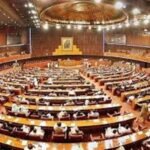
In parallel, the internal dynamics of Pakistan’s politics mirror this sense of disillusionment. Your analysis on the current political situation—the hurriedly convened sessions of the Senate and National Assembly to push through constitutional amendments—highlights the disarray in governance. The government’s struggle to secure a two-thirds majority, even with Maulana Fazlur Rehman’s attempts at brokering consensus, seems doomed unless they can persuade defectors from the PTI, a prospect that remains uncertain.
This crisis of governance is exacerbated by the government’s frustration with the judiciary, an institution they accuse of overstepping its bounds and obstructing their authority. The government’s potential readiness to compromise ethical norms to rein in the judiciary speaks to a deeper systemic malaise, where power struggles overshadow genuine governance.
On the international stage, the significance of the recent SCO meeting in Islamabad seems to have been largely overlooked by the media. Despite the presence of key figures from Russia and China, much of the coverage revolved around the potential thawing of relations between India and Pakistan, something you rightfully challenge. The emphasis on whether Indian Foreign Minister Jaishankar would meet his Pakistani counterpart reflects a surface-level focus, ignoring deeper diplomatic currents, particularly Russia’s strategic interests in the region. The large Russian delegation could suggest a renewed interest in Pakistan, perhaps due to shifting global alliances in a post-Ukraine invasion world, but this angle was barely explored.
As you note, the disillusionment with global media parallels our local media’s neglect of critical questions. Why did Russia send such a significant delegation? What might this indicate for Pakistan’s future alliances and strategic positioning? These are vital inquiries left unanswered, largely because our collective focus remains locked on the same old narratives.
Your call for journalists to rise above these narrow perspectives is both timely and necessary. The world is shifting, and Pakistan’s place within it could be influenced by forces far beyond the traditional Indo-Pak dynamics. There’s a real need for investigative journalism that probes beyond the immediate headlines, delving into the complexities of global politics and their implications for Pakistan. Without this, we risk remaining, as you said, frogs in a well—limited by the narrow lens of self-interest and superficial concerns.