



A Land that Breeds “Weary Generations
Imran Khan’s ardent followers frequently blame my generation for the nation’s problems. Their main grievance is that we, the “old guard,” were cowardly and hypocritical in our youth. Instead of standing up to power, we focused on safeguarding our jobs, ultimately pushing Pakistanis toward a “slave mentality.” Journalists, in particular, are accused of playing a pivotal role in this. We allegedly never wrote the truth and became famous for our lies, receiving large salaries, bribes, plots of land, and other perks from the corrupt elite.
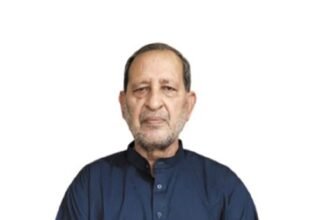
Whenever I hear this criticism, I am more inclined to remind people that throughout our history, a significant number of journalists and writers did indeed speak the truth, no matter the cost. Today, we still have figures like Nasir Zaidi, one of the four journalists who were publicly flogged during General Zia’s regime for advocating freedom of the press.
When I attempt to clarify, some well-meaning friends advise against engaging with these die-hard Imran Khan supporters. They ask why I expose myself to insults and personal attacks, knowing full well the response is often abusive rather than reasoned. However, I cannot abandon my desire for dialogue. I aim to make these Khan loyalists understand that, once upon a time, we too had dreams — dreams that, much like theirs today, were shattered.
Despite the government’s efforts to lock Islamabad down for three days with containers and shut off mobile signals, the Minister of the Interior and Islamabad Police could not prevent large groups of PTI supporters from entering the capital. Hundreds of youths from Khyber Pakhtunkhwa, led by Chief Minister Ali Amin Gandapur, braved tear gas for hours. It’s worth noting that some plainclothes officers were also present, using taxpayer-funded tear gas to counter their own colleagues.
Pro-PTI groups sporadically clashed with police across the city, attempting to provoke confrontations. These determined youths were convinced that Gandapur would eventually lead them across the “river of fire and blood” to Islamabad’s Red Zone, forcing the government to concede defeat. They imagined an “revolutionary” change, similar to what recently happened in Bangladesh. However, after prolonged confrontations, Gandapur “suddenly” slipped away, abandoning his convoy and reappearing in Islamabad’s China Chowk. Rather than lead his supporters, he made a swift return to Khyber Pakhtunkhwa, where he remained out of sight for two days.
Gandapur’s unexpected exit, along with the absence of PTI’s leadership at key moments, disillusioned many young followers. They were heartbroken not just by Gandapur’s actions but also by the broader PTI leadership, which urged them to keep marching to D-Chowk while offering no leadership on the ground.
Now, Imran Khan’s followers are eagerly waiting to hear what message their leader sends from jail. However, the government has blocked all visits to Adiala Jail until October 18, citing “security measures” for the upcoming Shanghai Cooperation Council summit. As a result, Imran’s supporters are left feeling despondent. I cannot mock them; I remember what it felt like when my revolutionary dreams crumbled decades ago. Abdullah Hussain, the legendary Urdu novelist, foresaw this long ago: our land seems destined to produce only “weary generations.”