




Reviving the Indus: The Impact of Riverine Forests in Sukkur District
-
The Vital Role of Riverine Forests in Environmental Protection
-
Sukkur District’s Ambitious Afforestation Campaign
-
Mitigating Flood Damage: How Artificial Forests Help
-
Reducing Environmental Pollution Through Green Initiatives
-
An In-Depth Look at Imran Malik’s Report from Sukkur
Riverine forests, often regarded as the lifeblood of ecosystems, offer significant advantages that extend beyond mere aesthetics. These lush green belts serve as crucial buffers against environmental pollution and play a pivotal role in mitigating flood damage. Their intricate root systems help stabilize riverbanks, reduce soil erosion, and filter pollutants from water, thereby enhancing the overall health of the surrounding environment.
- Reviving the Indus: The Impact of Riverine Forests in Sukkur District
- The Vital Role of Riverine Forests in Environmental Protection
- Sukkur District’s Ambitious Afforestation Campaign
- Mitigating Flood Damage: How Artificial Forests Help
- Reducing Environmental Pollution Through Green Initiatives
- An In-Depth Look at Imran Malik’s Report from Sukkur
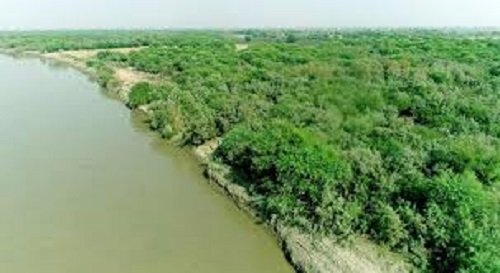
In the Sukkur district, a transformative afforestation campaign is currently in full swing. This initiative aims to create artificial forests along the banks of the Indus River, a vital waterway that sustains the region’s agriculture and biodiversity. By planting a diverse array of native tree species, the project not only seeks to restore ecological balance but also to create a sustainable habitat for local wildlife.
The campaign holds particular significance in a region that has historically been vulnerable to flooding. With climate change exacerbating weather patterns, the need for resilient infrastructure and natural defenses has never been more urgent. The newly established riverine forests are expected to act as natural barriers, absorbing excess rainwater and reducing the risk of flood-related damage to nearby communities.
Moreover, the afforestation efforts align with broader environmental goals, including combating air and water pollution. By increasing green cover, the initiative aims to improve air quality, sequester carbon, and ultimately contribute to the fight against climate change.
For a comprehensive overview of this impactful initiative, let’s turn to Imran Malik’s insightful report from Sukkur, where he explores the project’s objectives, challenges, and the community’s response to this ambitious endeavor. Through his lens, we can gain a deeper understanding of the profound implications of riverine forests and their role in promoting ecological sustainability and resilience in the face of environmental challenges.